
93K Subscribers
139 Videos
10.9M Views


This blog post is part of the “Hobby Box” series. The first hobby I picked is Crochet.
Click here to read Part 1: Crochet for Beginners – The Ultimate Guide to Crochet Supplies in India
Click here to shop my handmade crochet products.
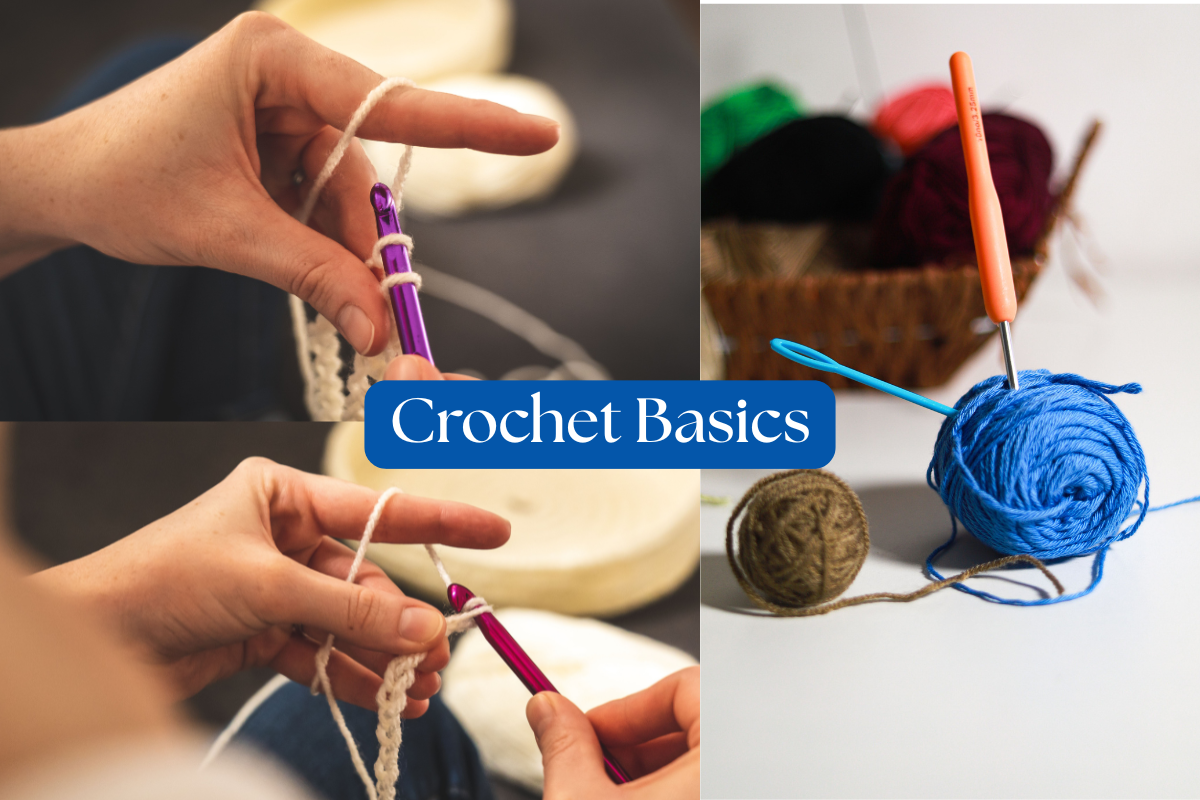
When you first start crocheting, one of the most confusing things you’ll notice is the sheer variety of crochet hooks available. Walk into a craft store or browse online, and you’ll find hooks made of aluminium, bamboo, wood, steel, and plastic. Some have ergonomic handles, while others are simple metal hooks. Then there are different sizes, shapes, and even specialty hooks!
If you’re wondering, “Which crochet hook should I buy?”, you’re not alone. Almost every beginner asks the same question. When I started crocheting, I didn’t know anything about crochet hooks. I had only one 3 mm purple plastic crochet hook in my craft stash, and that’s what I used as a beginner for all my beginner crochet projects.
The good news is that choosing the right crochet hook isn’t as complicated as it seems. Once you understand the basics, you’ll be able to confidently select the right hook for any project.
In this guide, we’ll cover everything you need to know about crochet hooks, from crochet anatomy and their materials to hook sizes, specialty hooks, and expert tips for beginners.
A crochet hook is the primary tool used to create crochet stitches. It catches the yarn and pulls it through loops, allowing you to build fabric one stitch at a time.
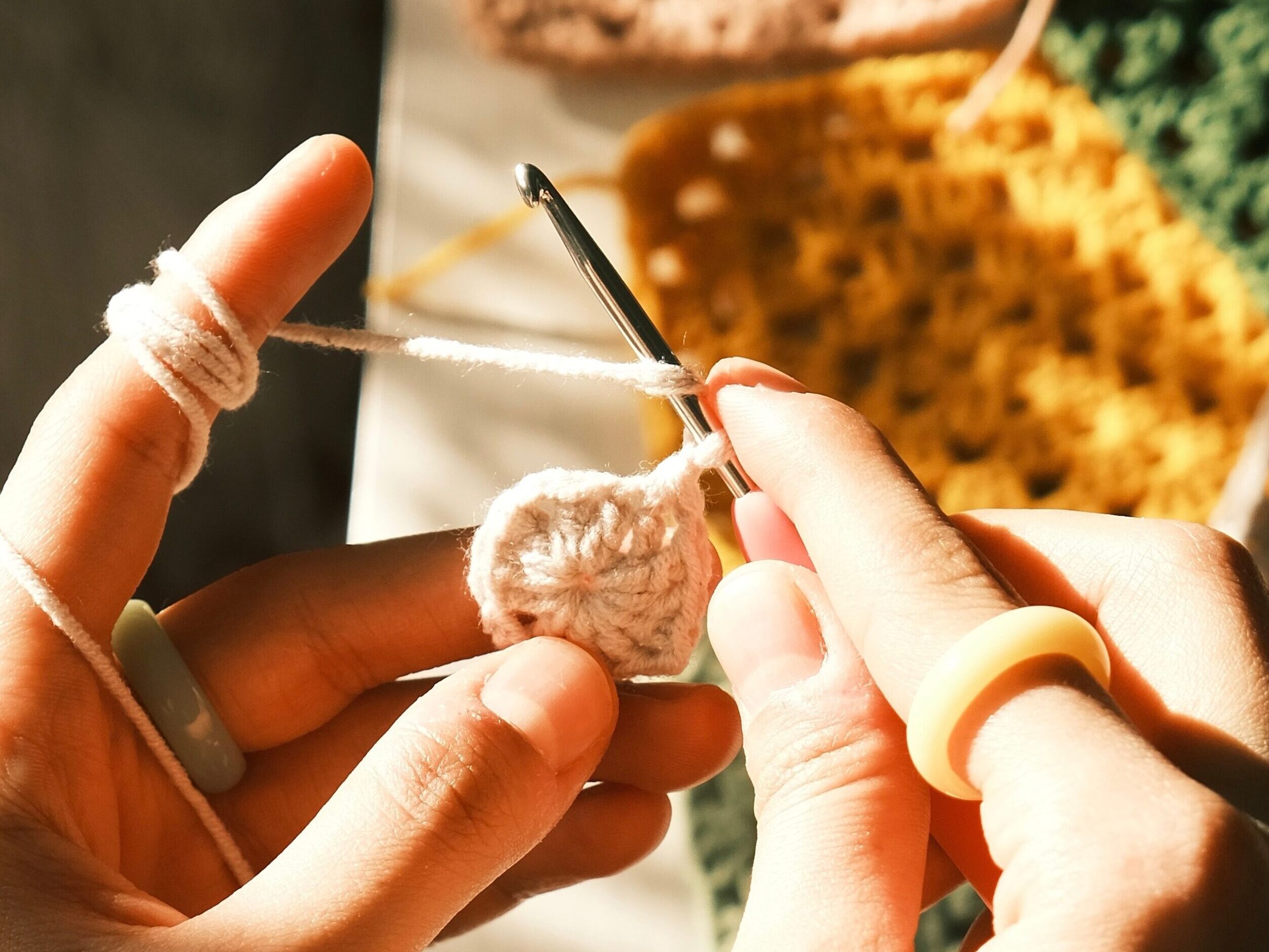
Unlike knitting, which requires two needles, crochet uses just one hook, making it easier for many beginners to learn.
While all crochet hooks serve the same purpose, they come in different sizes and materials to suit various yarns and projects.
Here’s a quick look at crochet anatomy to understand the different parts of a crochet hook.
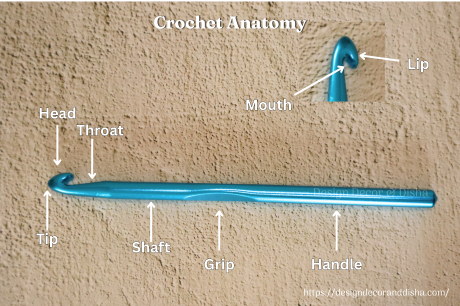
Tip: The tip is the part that enters the stitch. A sharper tip slides easily into tight stitches, while a rounded tip is gentler and less likely to split the yarn.
Head/Hook: This curved section catches the yarn and pulls it through the stitch. The depth of the hook affects how easily it holds the yarn while you work.
Throat: The throat guides the yarn into the hook/Head. Some hooks have a deeper throat, making it easier to maintain consistent loops.
Shaft: The shaft determines the size of your stitches. This is the part measured when manufacturers assign hook sizes.
Grip/Thumb Rest: It’s the flat or slightly depressed area on the handle which allows you to hold the hook with your thumb and forefinger. Sometimes it is marked with a hook size.
Handle: The handle allows you to hold and move the crochet hook while crocheting. Many modern hooks have soft ergonomic handles designed to reduce hand fatigue
One of the first things you’ll notice is that crochet hooks come in many different sizes. The size refers to the diameter of the shaft and directly affects the size of your stitches.
Most modern crochet hooks are measured in millimetres (mm).
| Hook Size | Best For |
|---|---|
| 2 mm | Lace, thread crochet, doilies |
| 2.5 mm | Fine cotton work |
| 3 mm | Lightweight yarn projects |
| 3.5 mm | Baby items |
| 4 mm | Beginner practice, scarves |
| 4.5 mm | Hats, shawls |
| 5 mm | Most beginner projects |
| 5.5 mm | Blankets, bags |
| 6 mm | Chunky scarves |
| 8 mm | Bulky yarn blankets |
| 10 mm | Super bulky yarn |
| 12 mm+ | Jumbo blankets and baskets |
If you’re buying your very first hook, choose:
These sizes are versatile, easy to handle, and commonly recommended in beginner crochet patterns.
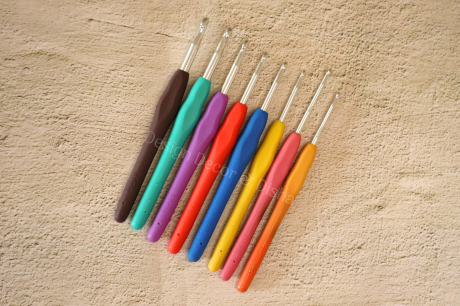
Crochet hooks are made from different materials, each offering a unique crocheting experience.
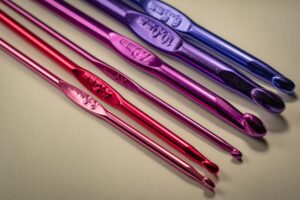
These are the most popular hooks worldwide.
Recommended for first-time crocheters? Absolutely! An aluminium hook is an excellent first purchase.
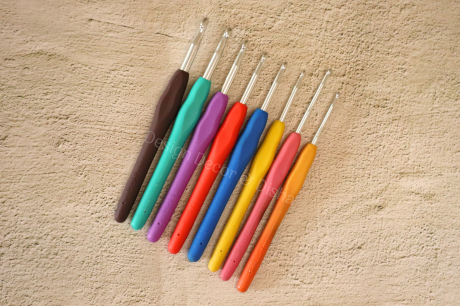
Ergonomic hooks feature a soft rubber or silicone handle that provides extra comfort during long crochet sessions.
Although they’re more expensive than basic aluminium hooks, many crocheters find them worth the investment.
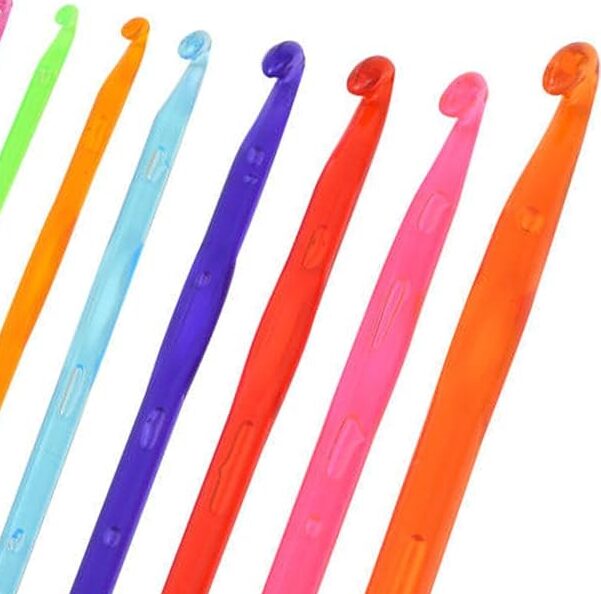
Plastic hooks are lightweight and inexpensive. They’re commonly available in larger sizes.
The downside is that plastic hooks may bend slightly under pressure.
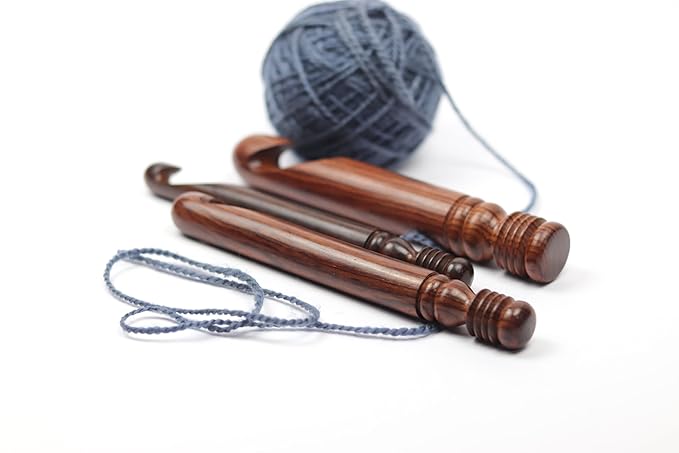
Wooden hooks offer a warm, natural feel and provide a little more grip than metal hooks.
Wood hooks are popular among experienced crocheters who enjoy working with luxury yarns.
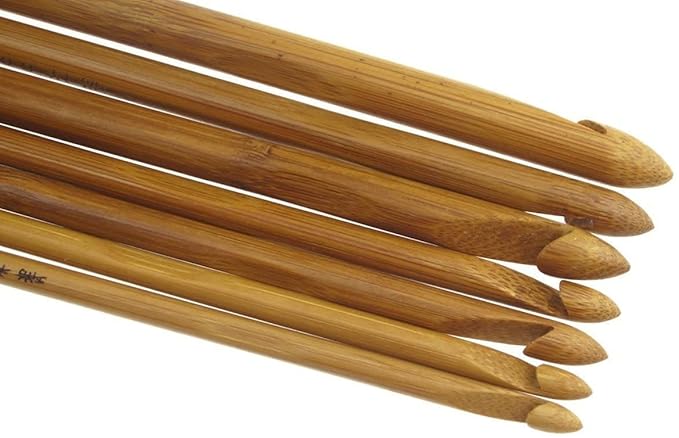
Bamboo hooks are similar to wooden hooks but are lighter. They provide excellent control, making them useful for slippery yarns like silk or bamboo blends.
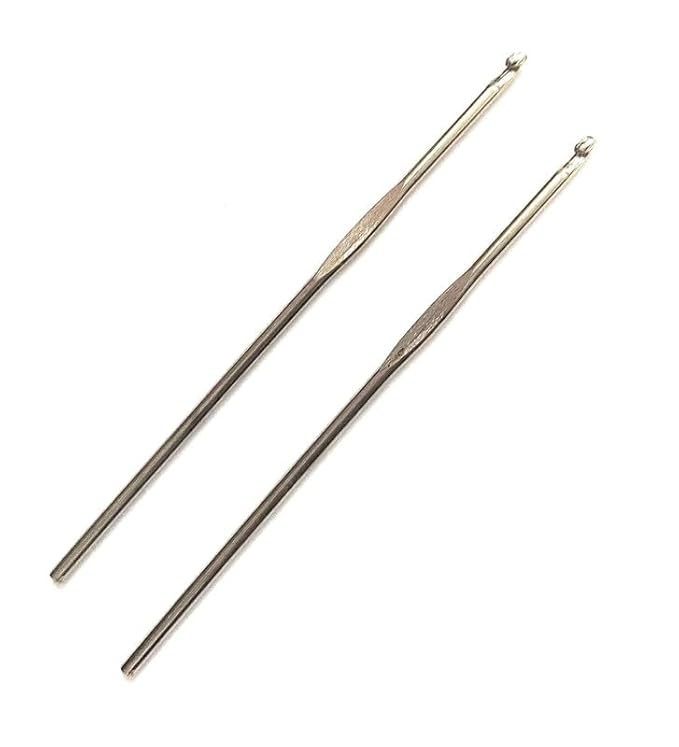
Steel hooks are much smaller than regular hooks. They are designed for crochet thread rather than yarn.
These are not recommended for complete beginners.
This is one of the biggest debates in the crochet community.
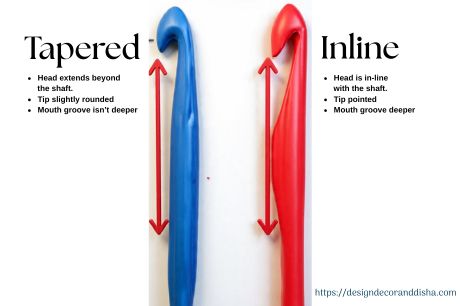
Inline hooks have a flatter head and a deeper groove.
Many experienced crocheters believe inline hooks produce neater stitches.
Tapered hooks have a rounded head that gradually narrows toward the hook.
Many popular hook brands use tapered designs.
As your skills grow, you may come across specialty hooks designed for specific techniques.
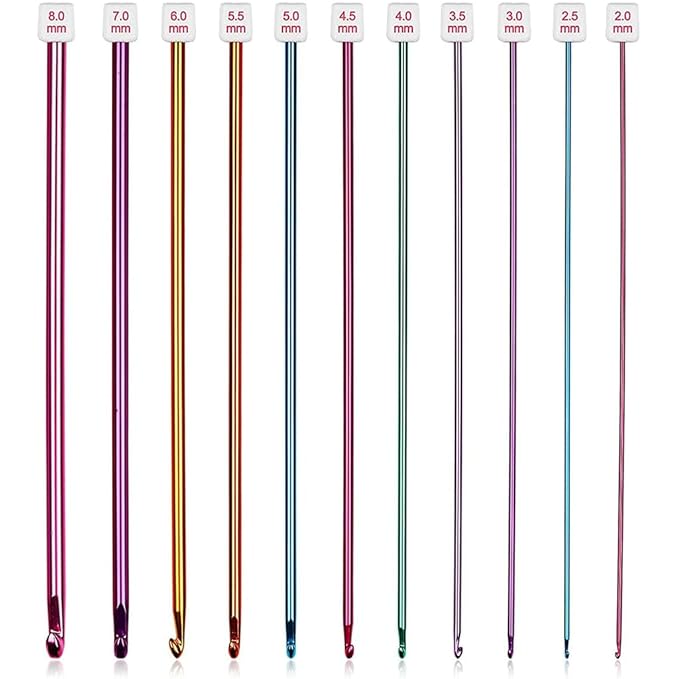
These hooks are longer than regular crochet hooks and resemble knitting needles. They allow multiple loops to stay on the hook at the same time.
Used for:
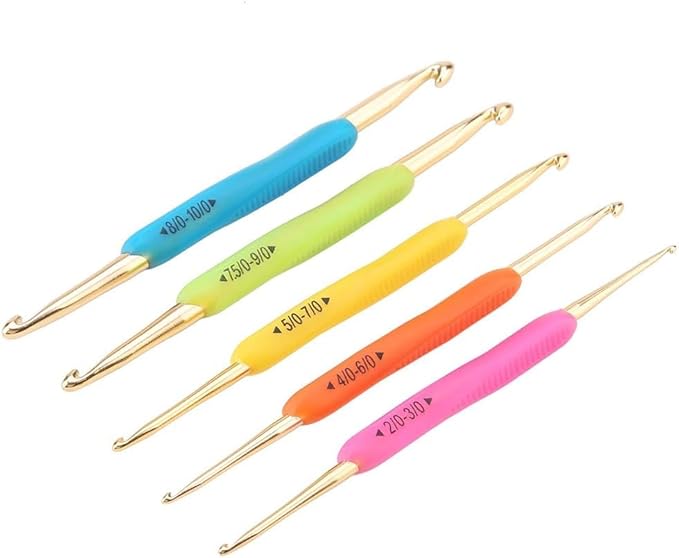
These hooks have a hook on both ends. They’re mainly used for:
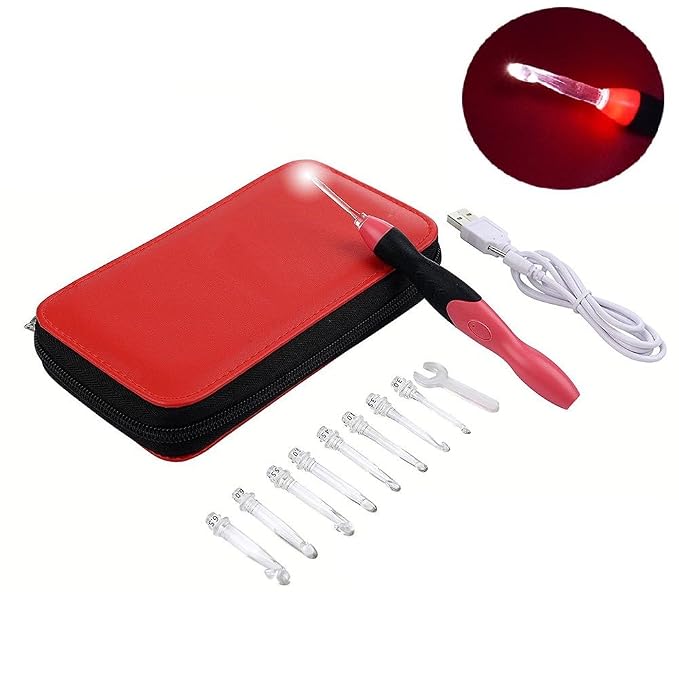
These modern hooks include small LED lights.
Ideal for:
If you’re just beginning, don’t buy a 20-piece hook set right away. Initially, buying just one hook is a smart choice until you get the hang of the crochet hooks.
Instead, start with:
Once you complete a few projects, you can gradually expand your collection based on the yarns and patterns you enjoy. Buying a good crochet kit would be a smarter choice. Click here to buy the cheaper crochet kit without compromising on quality.
Indian crocheters have access to several reliable brands that offer quality hooks for every budget.
A trusted and affordable brand that’s easy to find online and in craft stores. Clapone ergonomic hooks are an excellent choice for beginners.
Manufactured in India and popular worldwide, KnitPro offers ergonomic hooks, aluminium hooks, wooden hooks, and specialty crochet tools. Their ergonomic ranges are especially comfortable for long crochet sessions.
A premium Japanese brand known for its ergonomic Amour hooks. They are smooth, lightweight, and highly regarded by experienced crocheters, though they come at a higher price.
A highly reliable and traditional budget brand available at local craft stores or the Pony Craft Store. Their basic aluminum and Easy Grip hooks are highly durable and perfect for beginners.
Many new crocheters make the mistake of buying inexpensive multi-piece hook sets simply because they seem like a bargain. While these sets can be useful later, they often include sizes you’ll rarely use, and the quality can vary significantly.
Here are a few common mistakes to avoid:
With proper care, crochet hooks can last for many years.
Not necessarily. Good technique and regular practice matter far more than the price of your hook. However, ergonomic hooks can make long crochet sessions much more comfortable.
If your budget allows, yes. Many beginners find the thicker handle easier to grip, especially during longer practice sessions.
No. Different yarn weights and patterns call for different hook sizes. Always check the yarn label or pattern for the recommended hook size.
The hook size affects your stitch size, tension, and the overall look of your finished project. Using the wrong size can make a project too stiff, too loose, or incorrectly sized.
Choosing your first crochet hook doesn’t have to be overwhelming. For most beginners, a 4 mm or 5 mm aluminium or ergonomic hook paired with a smooth, medium-weight yarn is all you need to start creating.
As your confidence grows, you’ll naturally discover which hook styles, materials, and brands feel most comfortable in your hands. Every crocheter develops personal preferences over time, so don’t be afraid to experiment.
In the next part of this series, we’ll explore the colourful world of yarn. You’ll learn about different yarn fibres, yarn weights, labels, and how to choose the perfect yarn for everything from coasters and amigurumi to blankets and garments.
Update – Here’s part 3 of Crochet for Beginners: 3 Complete Guide to Crochet Yarns
Happy Crocheting!!!

Starting a new video series. Watch the video for the details and hop on the bandwagon if you are interested.