
93K Subscribers
139 Videos
10.9M Views


This blog post is part of the “Hobby Box” series. The first hobby I picked is Crochet. Below are the links to previous blogs in case you missed going through them. Video tutorials will be shared soon.
Part 1: Crochet for Beginners – The Ultimate Guide to Crochet Supplies in India
Part 2: Crochet For Beginners – The Complete Beginner’s Guide to Crochet Hooks
Click here to shop my handmade crochet products.
.
If crochet hooks are the tools of your craft, then yarn is its heart.
Walk into any craft store or browse an online shop, and you’ll be greeted by hundreds of colourful yarns. Some are fluffy, some are silky smooth, while others are thick enough to make a blanket in just a few hours. You’ll also come across terms like acrylic, cotton, merino, DK, worsted, bulky, ply, and yarn weight. It can all feel overwhelming when you’re just starting.
The good news is that you don’t need to understand every type of yarn to begin crocheting. Once you know the basics -what yarn is made of, how thick it is, and which projects it’s best suited for, you’ll be able to choose the right yarn with confidence.
In this guide, we’ll explore the different types of crochet yarns, explain yarn labels, recommend trusted brands available in India, and help you avoid common beginner mistakes.
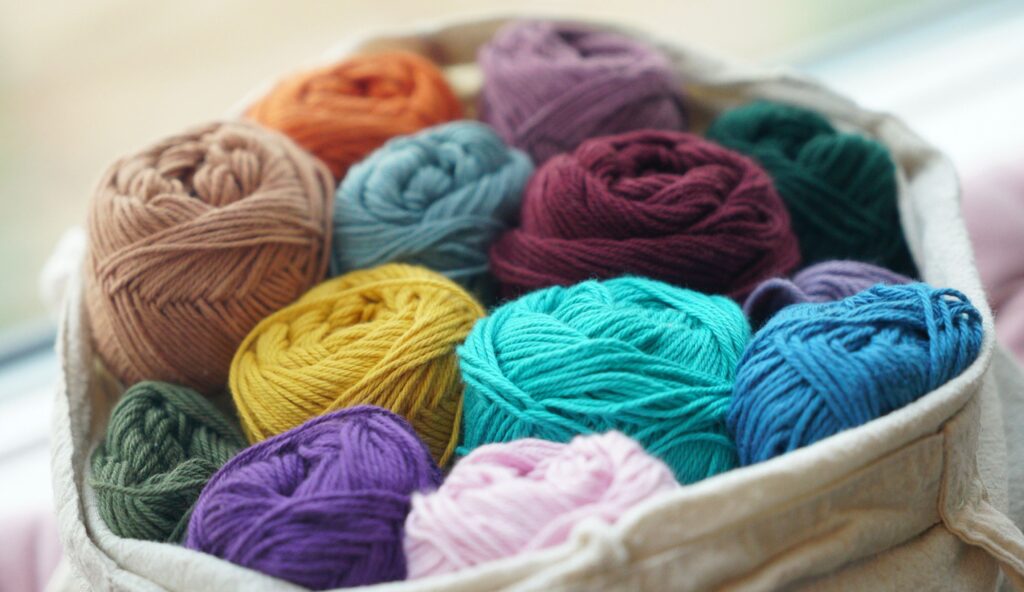
Yarn is a continuous strand of fibres twisted together to create a strong, flexible thread that can be crocheted, knitted, or woven into fabric.
The fibres used to make yarn can come from natural sources like cotton, wool, bamboo, or silk, or they can be manufactured, such as acrylic, polyester, and nylon. Each fibre has its own unique characteristics, making it suitable for different crochet projects.
One of the first things you’ll notice on a yarn label is the fibre content. This tells you what the yarn is made from. It’s a bit tricky to understand a yarn just by looking at it. You’ll need a lot of practice to do that. So, reading the label is the best way to start learning about the yarn. Let’s look at the most common fibres you’ll encounter.
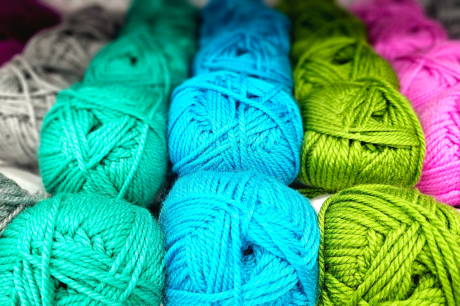
Acrylic yarn is made from synthetic fibres and is one of the most popular choices for beginners. It’s affordable, widely available, and comes in a huge range of colours.
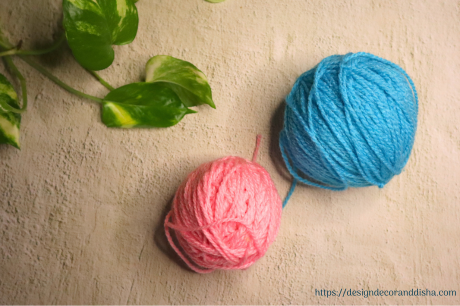
Yes! Acrylic yarn is one of the easiest yarns to learn with because it glides smoothly over the hook and is forgiving if you need to undo your stitches.
Cotton yarn is made from natural cotton fibres. It’s strong, breathable, doesn’t stretch and produces crisp stitches, making it a favourite for home décor and summer accessories.
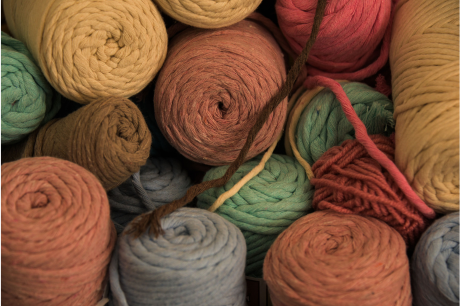
If you’re learning crochet in India’s warm climate, cotton yarn is an excellent choice for many projects.
Wool comes from sheep and is prized for its warmth, softness, and elasticity.
Bamboo yarn has become increasingly popular because it’s silky, lightweight, and environmentally friendly. It is created by breaking down bamboo pulp chemically and spinning it into threads.
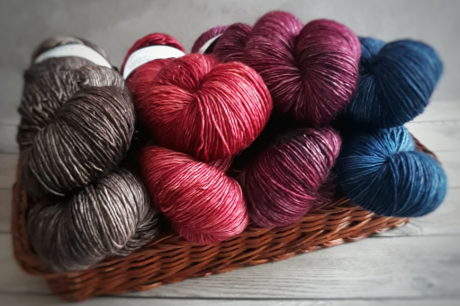
Because bamboo yarn can be slippery, beginners may find it slightly more challenging to work with.
Chenille yarn has exploded in popularity thanks to adorable amigurumi plushies and soft blankets seen on social media.
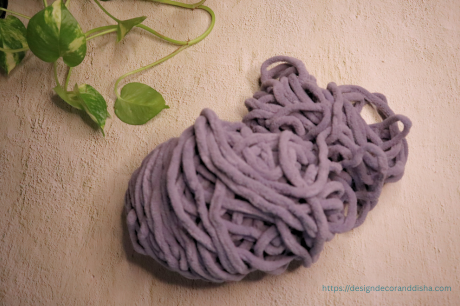
Although tempting, it’s better to wait until you’re comfortable counting stitches before using chenille yarn.
Many yarns combine two or more fibres to offer the best qualities of each.
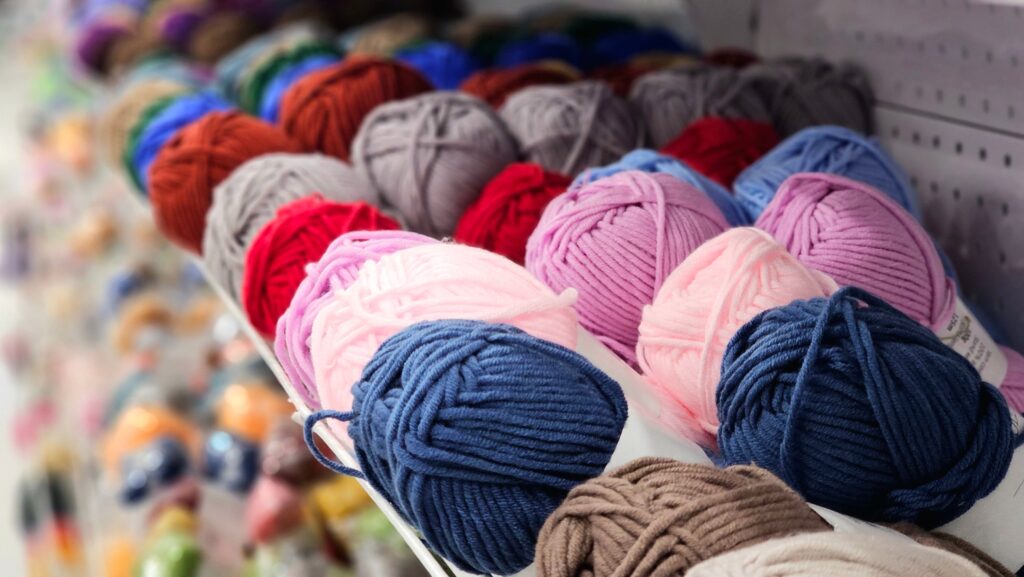
For example:
Blended yarns often balance softness, durability, and affordability, making them a versatile option for many crochet projects. Blended yarn is recommended for beginners.
One of the biggest misconceptions among beginners is that “weight” refers to how heavy the ball of yarn feels. In crochet, yarn weight actually describes the thickness of the yarn. Choosing the correct yarn weight is just as important as choosing the right hook size.
| Yarn Weight | Description | Best Projects |
|---|---|---|
| Lace (0) | Very fine | Doilies, lace shawls |
| Super Fine (1) | Thin | Socks, baby clothes |
| Fine (2) | Lightweight | Baby blankets, garments |
| Light (3/DK) | Medium-light | Shawls, scarves, hats |
| Medium (4/Worsted/Aran) | Most versatile | Blankets, bags, toys |
| Bulky (5) | Thick | Winter accessories |
| Super Bulky (6) | Very thick | Chunky blankets |
| Jumbo (7) | Extra thick | Giant baskets, arm knitting |
For beginners, Light (DK) and Medium (Worsted/Aran) yarns are the easiest to handle.
You’ll often hear yarn described as 2-ply, 4-ply, or 8-ply. Ply refers to the number of strands twisted together to make the yarn.
However, it’s important to know that ply is not the same as yarn weight. A 4-ply yarn from one brand may differ in thickness from another brand. Always check the recommended hook size and gauge rather than relying on ply alone.
| Project | Recommended Yarn |
|---|---|
| Coasters | Cotton |
| Dishcloths | Cotton |
| Tote bags | Cotton or cotton blend |
| Market bags | Cotton |
| Plush toys (Amigurumi) | Acrylic, cotton or chenille |
| Baby blankets | Soft acrylic or cotton blend |
| Winter blankets | Acrylic or wool |
| Sweaters | Wool or wool blend |
| Shawls | Cotton, bamboo, or wool |
| Cushion covers | Cotton or acrylic |
| Table runners | Mercerised cotton |
| Plant hangers | Cotton cord |
| Baskets | T-shirt yarn or macramé cord |
Colour plays a surprisingly important role when learning to crochet.
Choose:
Avoid:
Light-coloured yarn makes it much easier to see your stitches and identify mistakes.
India now has a growing crochet community, and several brands offer yarns suitable for beginners as well as experienced crocheters.
Known for affordable acrylic and wool yarns that are widely available in local markets and online.
Best for: Practice projects, blankets, scarves, and winter accessories.
Offers acrylic, wool, and blended yarns in a wide range of colours.
Best for: Everyday crochet and knitting projects.
Popular for wool and wool-blend yarns, especially for winter garments and accessories.
Best for: Sweaters, shawls, hats, and scarves.
Well-known for its cotton crochet threads and embroidery products.
Best for: Lacework, doilies, edgings, and fine crochet projects.
Offers beginner-friendly acrylic, cotton, chenille, and speciality yarns in many colours.
Best for: General crochet, amigurumi, and home décor.
Aesthetic, “Pinterest-y” color palettes, premium softness, and a wide variety of textures.
Best for: They are highly popular among Indian crafters for projects like amigurumi, baby blankets, and fashion accessories
You can find quality crochet yarns at:
When shopping online, read product descriptions carefully. Pay attention to the fibre content, yarn weight, and customer reviews rather than choosing based on colour alone.
The amount of yarn required depends on the project, stitch pattern, and yarn weight. These estimates can help you plan your first purchases:
| Project | Approximate Yarn Needed |
|---|---|
| Coaster | 15–20 g |
| Dishcloth | 40–60 g |
| Beanie | 80–120 g |
| Scarf | 200–300 g |
| Tote bag | 200–400 g |
| Baby blanket | 400–700 g |
| Throw blanket | 900–1,500 g |
| Sweater (Adult) | 700–1,200 g |
| Amigurumi toy | 30–150 g, depending on size |
Always buy a little extra yarn for larger projects, especially if you’re working with a specific colour.
Learning from others’ mistakes can save you time and frustration.
Avoid these common pitfalls:
Both are excellent choices. Acrylic is softer, stretches slightly, and is very forgiving, making it ideal for practice. Cotton offers excellent stitch definition but has less stretch, so some beginners may find it a little firmer to work with.
Yes, provided the yarns have similar fibre content, weight, and gauge. Mixing vastly different yarns can affect the appearance and size of your finished project.
A stiff fabric usually results from using a hook that’s too small for the yarn or crocheting with very tight tension.
A smooth, medium-weight acrylic or cotton yarn in a light colour is the easiest choice for beginners.
The right yarn can make learning crochet enjoyable, while the wrong one can quickly lead to frustration. As a beginner, keep things simple: choose a smooth, light-coloured acrylic or cotton yarn in a medium weight and pair it with the hook size recommended on the label.
As you gain confidence, you’ll discover the joy of experimenting with luxurious wools, silky bamboo blends, plush chenille, and colourful specialty yarns. Every new fibre brings a different texture, drape, and creative possibility.
In the next article of this series, we’ll move from materials to technique. You’ll learn the essential crochet terminology, how to hold your hook and yarn, the basic stitches every crocheter should know, and how to read simple crochet patterns, the building blocks for every project you’ll make.
Happy Crocheting!!!

Starting a new video series. Watch the video for the details and hop on the bandwagon if you are interested.